Best Time to Visit Tumpak Sewu Waterfall
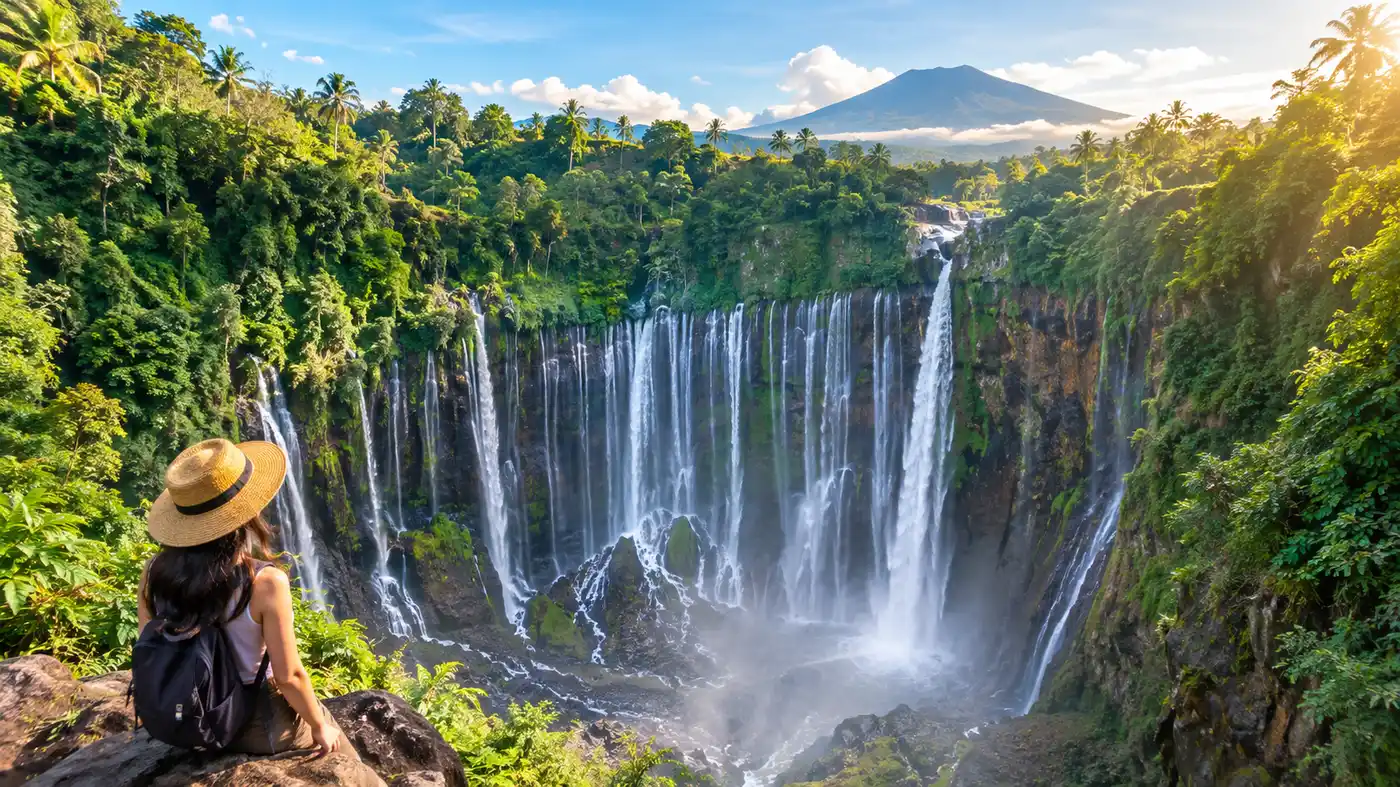
Imagine standing at the base of a truly colossal waterfall, a curtain of water stretching for hundreds of meters, feeling the cool mist on your face as the morning sun paints the scene. That's Tumpak Sewu, a place that honestly feels like stepping into a lost world. Deciding on the best time to visit Tumpak Sewu isn't just about avoiding crowds, it's about chasing that perfect, almost spiritual, moment. This isn't your average quick stop waterfall. Tumpak Sewu demands a bit of effort, a descent through some pretty wild terrain, and a real commitment to the experience. We're going to dive into everything you need to know, from the ideal hour of the day to the best months of the year, so you can plan a trip that truly blows your mind.Book your tumpak sewu experience:
The Magic of Early Morning at Tumpak Sewu
If you ask me, and most other travelers who've been there, the absolute prime window for Tumpak Sewu is sunrise. Or, more accurately, the hour just after the sun has properly risen. This isn't just a preference, it's almost a rule if you want to experience the waterfall without hundreds of other people in your photos. We set out from our homestay at 5:00 AM, which felt brutally early at the time, but paid off in spades. The air is cool then, crisp, and the path down isn't as slippery with the morning dew as it might be later. You'll hear the roar of the falls long before you see them, a deep rumble that builds anticipation with every step. Getting to the base around 6:30 AM or 7:00 AM means you'll probably have the place mostly to yourself for a good 45 minutes, maybe an hour. The light, too, is just phenomenal. It starts to filter through the jungle canopy, hitting the spray from the falls in a way that creates rainbows and a soft, ethereal glow. This is when you truly understand why people call it the "Thousand Waterfalls". It feels incredibly intimate.Pro tip: Aim to start your descent from the parking area around 5:45 AM to 6:00 AM. This gives you about an hour to get down to the base before the sun fully illuminates the falls and, more importantly, before the first big tour groups arrive. Trust me, it makes all the difference.
Navigating Mid-Day Crowds and "Jam Buka Tumpak Sewu"
Once 8:30 AM or 9:00 AM rolls around, the vibe at Tumpak Sewu shifts pretty dramatically. This is when the day-trippers and larger tour groups start arriving. The paths get busier, you'll find queues forming at the trickier parts of the descent, and the base of the waterfall, which felt so vast and empty an hour earlier, starts to fill up with people jockeying for photo spots. While the official "jam buka tumpak sewu" is generally listed as 7:00 AM to 5:00 PM (though some sources say 6:00 AM), the reality is that locals are often there much earlier. They're usually setting up stalls or preparing for the day. So, arriving before the official opening isn't really an issue, especially if you have a local guide or driver who knows the ropes. The main gate might not be fully manned, but access is typically not restricted. I honestly think if you arrive much after 9:00 AM, you're missing out on a significant part of the magic. The sheer volume of people can make the experience feel less adventurous and more like a crowded attraction. The light also gets harsher as the sun climbs higher, washing out some of the subtle beauty you see in the early hours. It's still an impressive sight, don't get me wrong, but it just won't be that serene, awe-inspiring moment you might be dreaming of. Here's a rough idea of what to expect regarding crowd levels throughout the day:| Time of Day | Crowd Level | Experience |
|---|---|---|
| 5:30 AM - 7:30 AM | Minimal | Serene, best light, personal experience |
| 7:30 AM - 9:00 AM | Low to Moderate | Good light, increasing visitors |
| 9:00 AM - 1:00 PM | High | Busy paths, crowded base, harsh light |
| 1:00 PM - 3:00 PM | Moderate to High | Still busy, light softens slightly |
| 3:00 PM - 5:00 PM | Low to Moderate | Fewer people, fading light, guides may rush you |
Weather and Seasons: When to Plan Your Trip
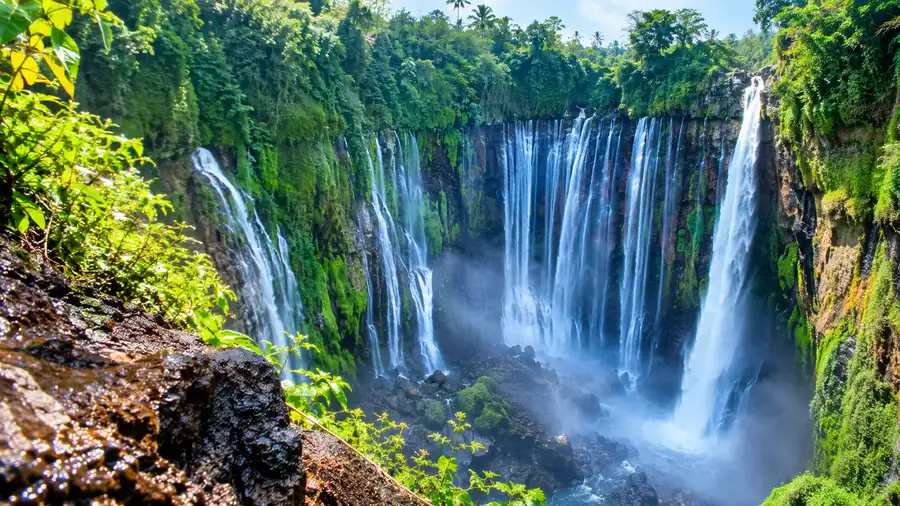
The weather at Tumpak Sewu, like much of Indonesia, is dominated by two main seasons: dry and rainy. Each has its own set of pros and cons, especially when you're thinking about the "weather tumpak sewu" will throw at you. Dry Season (May to October):- Pros: This is generally considered the best time to visit Tumpak Sewu. The paths are drier, which makes the descent and ascent much safer and less slippery. The sky is usually clearer, offering spectacular views from the panoramic viewpoint. Water levels in the river at the base are lower, making it easier to explore without wading through chest-deep water. You're less likely to encounter sudden downpours that can make the hike miserable or even dangerous.
- Cons: Because it's the best time, it's also the busiest. Expect more crowds, especially during peak travel months like July and August. The waterfall itself might have slightly less water volume compared to the rainy season, but honestly, it's still incredibly powerful and impressive.
- Pros: Fewer tourists, which means more solitude and a chance to experience the falls in a quieter setting. The waterfall is at its most powerful, with an absolutely incredible volume of water cascading down. Everything around the falls is lush, vibrant green.
- Cons: This is where things get tricky. The paths become incredibly muddy and slippery, making the hike much more challenging and risky. There's a higher chance of flash floods in the river, which can be very dangerous. Visibility from the viewpoint might be obscured by clouds or rain. You'll need to be prepared for getting drenched, even if you're not in the water.
Note: During very heavy rainfall, local authorities may close access to the base of the waterfall for safety reasons due to the risk of flash floods and extremely slippery conditions. Always check local conditions and heed advice from your guide or homestay owner.
Book your tumpak sewu experience:
Weekdays vs. Weekends: Avoiding the Local Rush
Just like anywhere popular, Tumpak Sewu sees a significant increase in visitors on weekends and public holidays. This is when local tourists, often families or groups of friends, make their way to the waterfall. If you're looking for "waktu yang paling bagus ada di tumpak sewu" from a local perspective, many will tell you that weekdays are far superior. On a Tuesday, for example, we encountered maybe 30 other people at the base over a couple of hours. On a Saturday, that number could easily jump to 200 or 300. The atmosphere changes too. Weekdays tend to be quieter, with more respectful visitors. Weekends can be a bit more boisterous, with larger groups and sometimes more litter, unfortunately. If your schedule allows, always, always aim for a weekday visit. Tuesdays, Wednesdays, and Thursdays are usually the quietest. Mondays and Fridays can be a bit busier due to people extending their weekends. Public holidays, especially long ones, are an absolute no-go if you want to avoid crowds. The trails can feel like a conveyor belt then, and the experience loses its natural charm.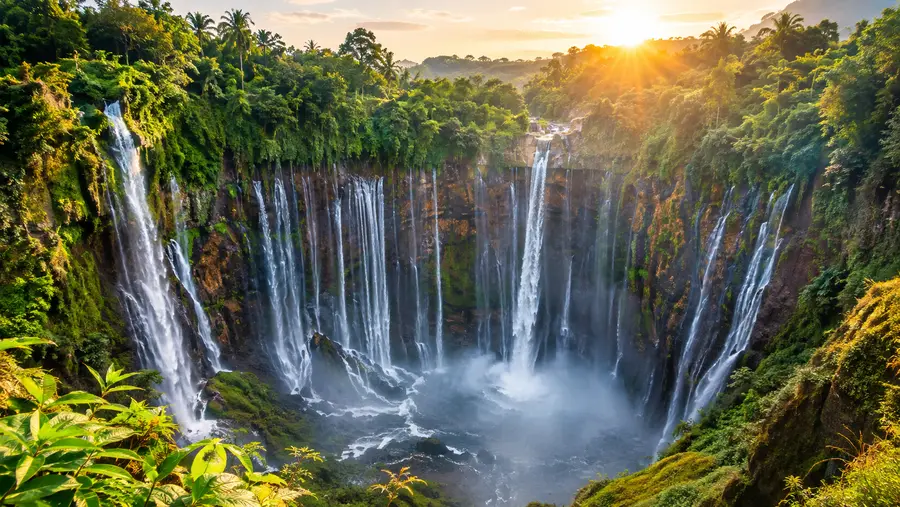
Practical Considerations for Your Visit
Beyond just timing, a few other things can really make or break your Tumpak Sewu experience. Planning these details in advance will save you a lot of hassle.- Accommodation: Staying nearby is key for an early morning start. There are several homestays and guesthouses in the villages surrounding Tumpak Sewu, ranging from basic to pretty comfortable. You can find some good options, maybe even looking into Tumpak Sewu homestays and hotels for ideas.
- Getting There: The journey to Tumpak Sewu can be a bit of an adventure in itself. Most people hire a private car with a driver or join a tour, often combined with Mount Bromo. If you're coming from Malang, Surabaya, or Bromo, it's a multi-hour drive. We have a whole guide on how to get to Tumpak Sewu waterfall that covers all the details.
- What to Wear & Pack: This is crucial. You will get wet. Seriously wet. Wear quick-drying clothes, bring a waterproof bag for electronics, and wear sturdy, closed-toe shoes with good grip. Water shoes or old sneakers are ideal. Flip-flops are a recipe for disaster on those slippery trails. Check out our detailed list on what to wear and pack for Tumpak Sewu hike for all the essentials.
- Guide or No Guide?: While it's technically possible to do the hike without a guide, I honestly recommend hiring one, especially if you're going early or during the rainy season. The path down is rugged, involves ropes and ladders, and can be disorienting. A local guide knows the safest routes, can help you navigate tricky spots, and will often point out things you'd otherwise miss. They cost around 150,000 IDR (roughly $10 USD) for a group, which is a small price for safety and peace of mind.
- Hydration and Snacks: Bring plenty of water. The hike is strenuous, and you'll be sweating. There are small stalls near the top, but fewer options once you start the descent. Pack a few energy bars or some fruit.
Frequently Asked Questions about best time to visit tumpak sewu
What is the best month to visit Tumpak Sewu?
The dry season, from May to October, is generally best. May, June, September, and October offer a good balance of drier trails and fewer crowds compared to the peak months of July and August.
What time does Tumpak Sewu open?
Officially, Tumpak Sewu opens around 6:00 AM or 7:00 AM, but you can usually start your descent earlier, especially with a local guide, to catch the best light and avoid crowds.
Is Tumpak Sewu safe to visit in the rainy season?
Visiting in the rainy season (November to April) is riskier due to extremely slippery trails and the potential for flash floods. While possible, it's recommended only for experienced hikers with a local guide, and always check conditions before going.
Quick Reference
- Best time: Early morning (6:00 AM - 7:30 AM)
- Best season: Dry season (May - October)
- Avoid: Weekends & public holidays
- Expect: Challenging hike, wet conditions
Book your tumpak sewu experience:
My Take on Tumpak Sewu
Visiting Tumpak Sewu is an adventure, a proper journey into Indonesia's wild heart. It's not a place for a quick photo stop; it's a place you need to earn. By carefully considering the best time to visit Tumpak Sewu, whether that means setting your alarm for an ungodly hour or planning your trip for the dry season, you're not just avoiding crowds. You're giving yourself the gift of experiencing this incredible place in its purest, most breathtaking form. Go early, go prepared, and prepare to be absolutely amazed.Read more about tumpak sewu.